
Online fraud is a growing problem. In Belgium, people lost almost €49 million to fraud in 2024, including €14.6 million through fraudulent investments. At the same time, online scammers are becoming increasingly smarter and convincing.
To help people arms themselves more effectively against these risks, DNS Belgium and the International Organization for Migration (IOM) organised a second training session on online fraud for diaspora community leaders in Belgium on 28 April 2026.

The partnership brings together two key strengths, i.e. DNS Belgium’s technical expertise in online security and IOM’s strong network within migrant and diaspora communities. Although not everyone within these communities faces the same challenges, certain factors, such as language barriers, limited access to reliable information or the pressure to provide financial support to family members, can make some people particularly vulnerable to online fraud.
Why diaspora communities need tailored support
Online fraud affects everyone. However, conventional awareness campaigns don't always effectively reach all target groups equally. Information is often shared through personal networks and not everyone easily finds their way to official sources of information easily.

This is why trusted community leaders play a key role. They understand the context of their community, are trusted by its members and are able to adapt messages to the everyday realities of the people they represent.
“To effectively address online fraud, prevention efforts must be inclusive and accessible. By tailoring our approach to the realities of diaspora communities and working through trusted intermediaries, we ensure that everyone has access to the information and support they need to navigate digital risks with greater confidence and autonomy.”

For people who regularly send money to family abroad or who have financial responsibilities for relatives living in other countries, the consequences of fraud can be particularly severe. Targeted prevention is therefore essential.

Inside the training session
The April 2026 session brought together diaspora community leaders from a host of communities across Belgium.
The training covered various forms of online fraud, including phishing messages impersonating banks or public authorities, fraudulent investment offers, fake administrative requests, bogus job vacancies and scams involving international money transfers.
The growing emergence of generative AI was also addressed. Cybercriminals are increasingly using AI to create convincing messages, websites, advertisements and other forms of online communication, making fraud more difficult to detect.
Participants also shared experiences from their own communities. These exchanges provided valuable insights into the types of fraud people are currently encountering and the impact such scams can have on individuals and families.
“The session was meaningful and useful because it provided practical knowledge and highlighted the importance of staying informed and vigilant in today’s digital world. It also encouraged important conversations about how communities can better protect themselves online.”
What DNS Belgium contributed
DNS Belgium experts provided participants with practical tools to help them recognise and avoid online fraud more quickly. Participants learned, among other things, how to identify suspicious messages, check websites and verify sources of information.
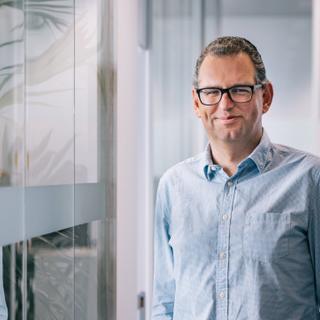
Chief Information Security Officer Kristof Tuyteleers and Sustainability Coordinator Sophie Dings also provided insights into how cybercrime is evolving and the techniques scammers use today.
“Online fraud is becoming increasingly professional. Generative AI is also making it easier to create convincing messages and websites and even imitate people’s voices. That makes it all the more important for people to know how to spot warning signs and critically assess information. This training brings that knowledge directly into communities.”
The session also provided DNS Belgium with valuable insights. Through the community leaders, we gain a better understanding of the types of fraud circulating within different communities. These insights help us make future awareness campaigns more relevant, accessible and inclusive.

Building long-term community resilience
This training is about more than raising awareness.
Participants not only received information about online fraud, but were also supported in disseminating that knowledge within their communities. The session was conceived as a train-the-trainer approach, with a focus on how to talk about online safety, how to support people without being patronising and what kind of language works best when discussing sensitive issues.
In doing so, DNS Belgium built on insights gained from previous awareness campaigns on digital resilience. The aim is to give community leaders the tools they need to become digital safety ambassadors within their own networks.
“Community leaders are much more than participants in this training. They become digital safety ambassadors within their own networks. By providing them not only with knowledge, but also with communication and teaching tools, we significantly increase the impact of each session.”

This creates a multiplier effect, allowing the impact of one training session to extend far beyond the group of participants.
At the same time, the initiative contributes to digital inclusion. Everyone should have access to reliable information that enables them to navigate the online world safely, regardless of their background or language.
Looking ahead
DNS Belgium and IOM intend to continue their collaboration on online safety. Together, we’ll continue working on strengthening protection against online fraud and reaching even more communities.
We also encourage public institutions, civil society organisations and other partners to help build a strong ecosystem of digital protection for diaspora and migrant communities in Belgium.
After all, tackling online fraud requires more than technical solutions. It also requires collaboration, trust and knowledge-sharing between organisations and communities.


With this article, we support the United Nations Sustainable Development Goals.